

Ceramic vs. Glass Table Lamps: Which One Actually Holds Value in a Minimalist Home?
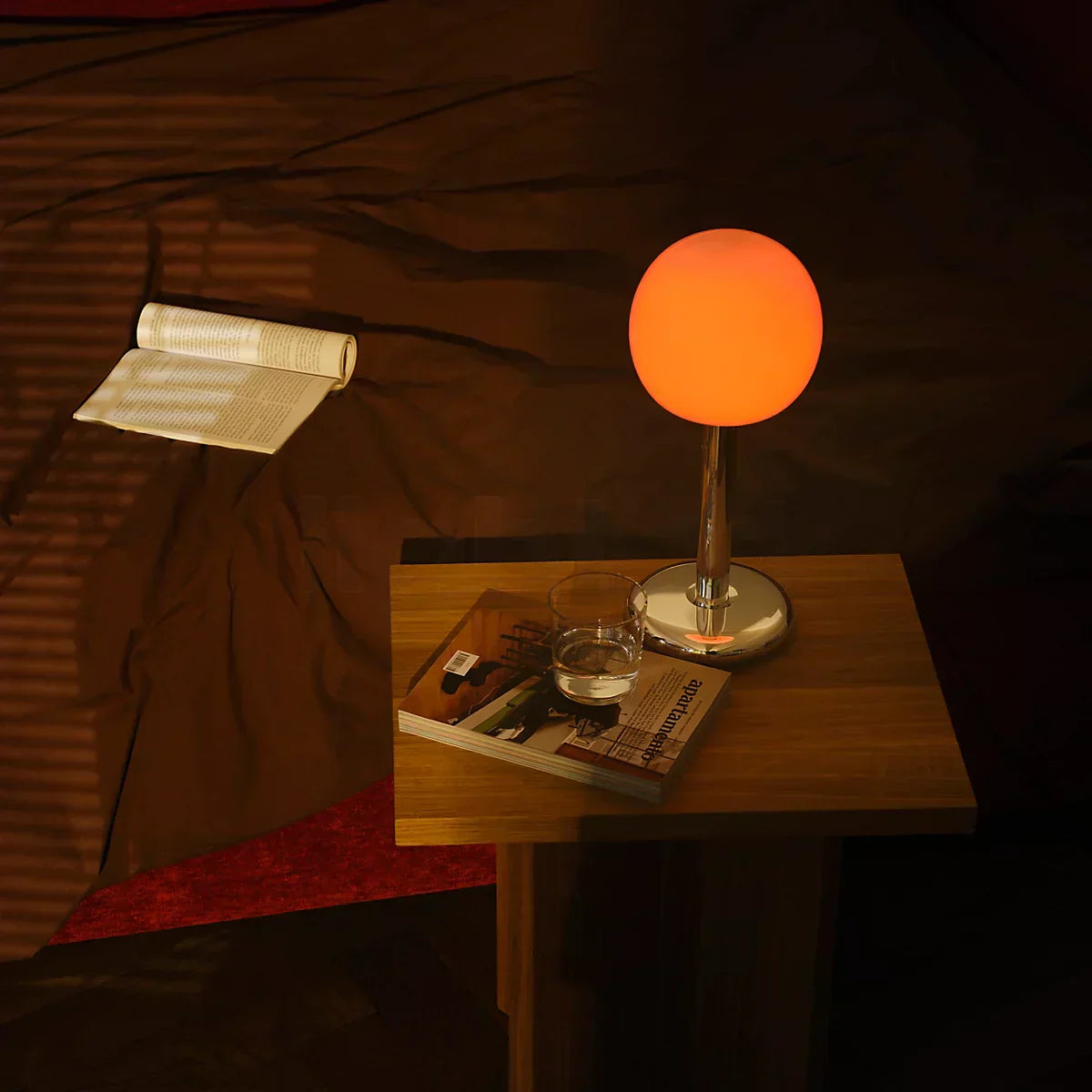
We photographed the same lamp silhouette — one in matte ceramic, one in clear glass — under three light conditions: morning sun, overcast daylight, and warm evening lamp-on. The glass lamp visually disappeared in two of the three. The ceramic one held its form in all three.
That single observation answers most of this debate before we even get to price.
The Verdict, Upfront
Ceramic table lamps hold value better in minimalist interiors. Glass lamps hold value better in maximalist or high-light, gallery-style spaces.
- Fact: Ceramic has a Mohs hardness of roughly 6–7 once fired, compared to soda-lime glass at 5.5. Ceramic resists surface scratching from daily handling better.
- Metric: A ceramic base in a neutral glaze reflects light diffusely (matte scatter), keeping luminance roughly consistent across lighting changes. Glass transmits and refracts light, meaning its visual presence shifts dramatically with ambient conditions.
- Insight: In a minimalist room — where every object is load-bearing for the overall composition — an object that changes appearance depending on the time of day is a liability, not a feature.
The Three-Light Test (Why Glass Struggles in Minimalist Rooms)
We placed identical lamp forms — same height, same proportions, same shade — in ceramic and glass, in the same corner of a room, and shot them under three conditions.
| Condition | Ceramic Lamp | Glass Lamp |
|---|---|---|
| Morning (direct light) | Casts a defined, solid shadow. Reads as a clear object on the surface. | Becomes semi-transparent. Shadow fragments into light rays; object loses outline. |
| Overcast (diffuse light) | Maintains matte tone and form. Visual weight stays constant. | Appears almost invisible against pale walls. No shadow definition. |
| Evening (lamp on) | Glows softly through ceramic if unglazed/thin-walled; otherwise remains a solid silhouette with warm light spill. | Glass body becomes a light source itself — beautiful, but visually "loud," competing with the shade. |

The core issue: shadow consistency
A minimalist room is composed around negative space and consistent silhouettes. Glass introduces a variable the designer can't control — its visual mass changes with the sun. Ceramic doesn't. It reads as the same object at 8am and 8pm.
"In minimalist design, an object's job is to hold its place in the composition. Glass refuses that job under changing light." — internal studio note, lighting test series
Material Breakdown: What You're Actually Paying For
Ceramic
- Durability: High resistance to scratching, scuffing, and surface degradation over years of handling.
- Thermal behavior: Stable. Doesn't transmit heat from the bulb to the touch in most table-lamp wattages.
- Aging: Glaze can develop micro-crazing over decades — often read as patina, not damage, in handcrafted pieces.
- Weight: Heavier base-to-height ratio, which improves stability — fewer tip-overs, less long-term wear at the base.
Glass
- Durability: Vulnerable to chips and stress-cracking, especially at the base where weight concentrates.
- Thermal behavior: Can show heat-stress marks near the bulb socket over years of use.
- Aging: Doesn't develop patina. A scratched glass surface looks worn, not aged — a critical distinction for resale.
- Weight: Lighter, which can mean less stability unless paired with a weighted metal base.
Fact / Metric / Insight:
- Fact: Ceramic surface wear is largely invisible at normal viewing distance (12 inches+) due to its matte/satin finish absorbing micro-scratches.
- Metric: Glass surface defects become visible at the same distance because light refraction amplifies any surface irregularity.
- Insight: Over a 5–10 year ownership period, ceramic ages; glass deteriorates visually — even with identical handling.
Resale and Long-Term Value
This is where the comparison sharpens.
| Factor | Ceramic | Glass |
|---|---|---|
| Visible wear after 5 years | Minimal — often reads as character | Noticeable — scratches catch light |
| Resale desirability | Higher for handcrafted/limited pieces — collectible quality | Lower unless designer-branded (Murano, etc.) |
| Style longevity | Matte, geometric forms remain compatible with evolving minimalist trends | Glass forms tend to date faster (tied to specific decor eras — e.g., 2010s "Edison bulb" glass trend) |
| Repairability | Chips can sometimes be refinished or accepted as patina | Cracks/chips are terminal — no repair preserves value |
The pattern: ceramic depreciates slowly and predictably. Glass depreciates unpredictably — fine until the first chip, then a steep value drop.
When Glass Actually Wins
Ceramic isn't universally superior. Glass holds its own — and sometimes outperforms ceramic — in specific conditions:
- High-light, gallery-style rooms where you want the lamp to interact with sunlight as a feature (light refraction as design element).
- Small spaces where visual "disappearance" during the day is desirable to reduce perceived clutter.
- Pairing with metal or chrome accents, where glass's reflectivity matches the material language of the room.
If your space is built around light as material (large windows, white walls, reflective surfaces), glass can be the more intentional choice — but it requires more careful placement to avoid the "disappears, then dominates" shift documented above.
Decision Framework

Use this quick filter:
- Does your lamp need to look the same all day, every day? → Ceramic.
- Is your room low-light or north-facing? → Ceramic (glass will underperform visually).
- Do you want the lamp to be a light-interaction piece, not just a fixture? → Glass.
- Are you furnishing for the long term (10+ years)? → Ceramic, for aging and resale reasons above.
- Is the lamp a secondary/accent piece in a maximalist or eclectic room? → Glass works well as a textural contrast.
Bottom Line
Ceramic table lamps hold value in minimalist homes because they hold their appearance — across light conditions, across years, and at resale. Glass lamps can be striking, but they introduce a variable minimalist design is specifically built to eliminate: visual inconsistency.
If the test photos prove anything, it's this — a minimalist room rewards objects that don't ask for attention depending on the weather.


Share:
Your Desk Tells People Who You Are Before You Say A Word
Geometric Sphere Bookend | Modern Acrylic & Steel Book Holder