


The first thing I did when the Pavot vase arrived was check it for damage.
One side dips in slightly, just below the widest point — a soft indentation, like the clay hadn't fully decided on its shape before it was fired. My instinct was that something had gone wrong in shipping. I ran my thumb along it twice before I understood: it was made this way. On purpose, or at least allowed to happen on purpose, which amounts to the same thing.
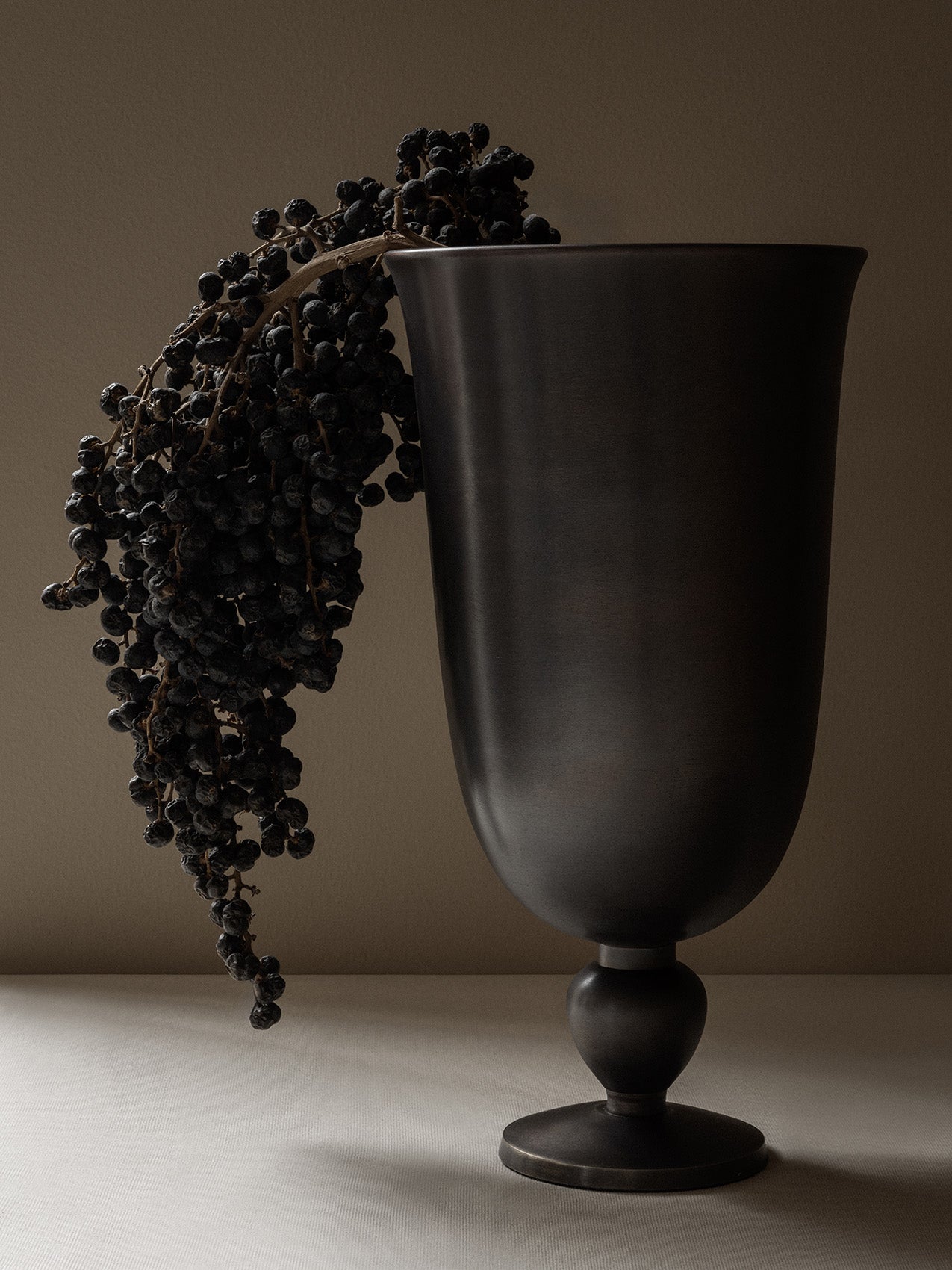
Colin King designed it, and named it after the French word for poppy — pavot. Once you know that, the shape makes more sense. It's not a flower vase pretending to be architecture. It's shaped like the thing it's meant to hold flowers in front of: round, a little irregular, slightly collapsed on one side the way a poppy seed pod looks once it's dried out.
I've owned a lot of vases that are technically flawless and completely forgettable. Perfectly symmetrical, perfectly glazed, and somehow the least interesting object in the room. This one has a visible flaw, and it's the first thing anyone touches when they pick it up.
That's not an accident, I don't think. A flawless object asks to be looked at. A flawed one asks to be handled.
I put it on a shelf with nothing in it for the first two weeks, just to see how it read empty. It held up fine — the glaze has enough depth and variation that it doesn't need a flower to justify its presence, which is more than I can say for most vases I own.
Once I actually used it, the dip in the side started doing something I didn't expect: it gives stems somewhere to lean. A perfectly round vase makes every flower stand up straight, which looks fine but a little stiff. This one lets a single stem tilt slightly into that soft indent, and suddenly it looks like it's been sitting there for weeks instead of five minutes.
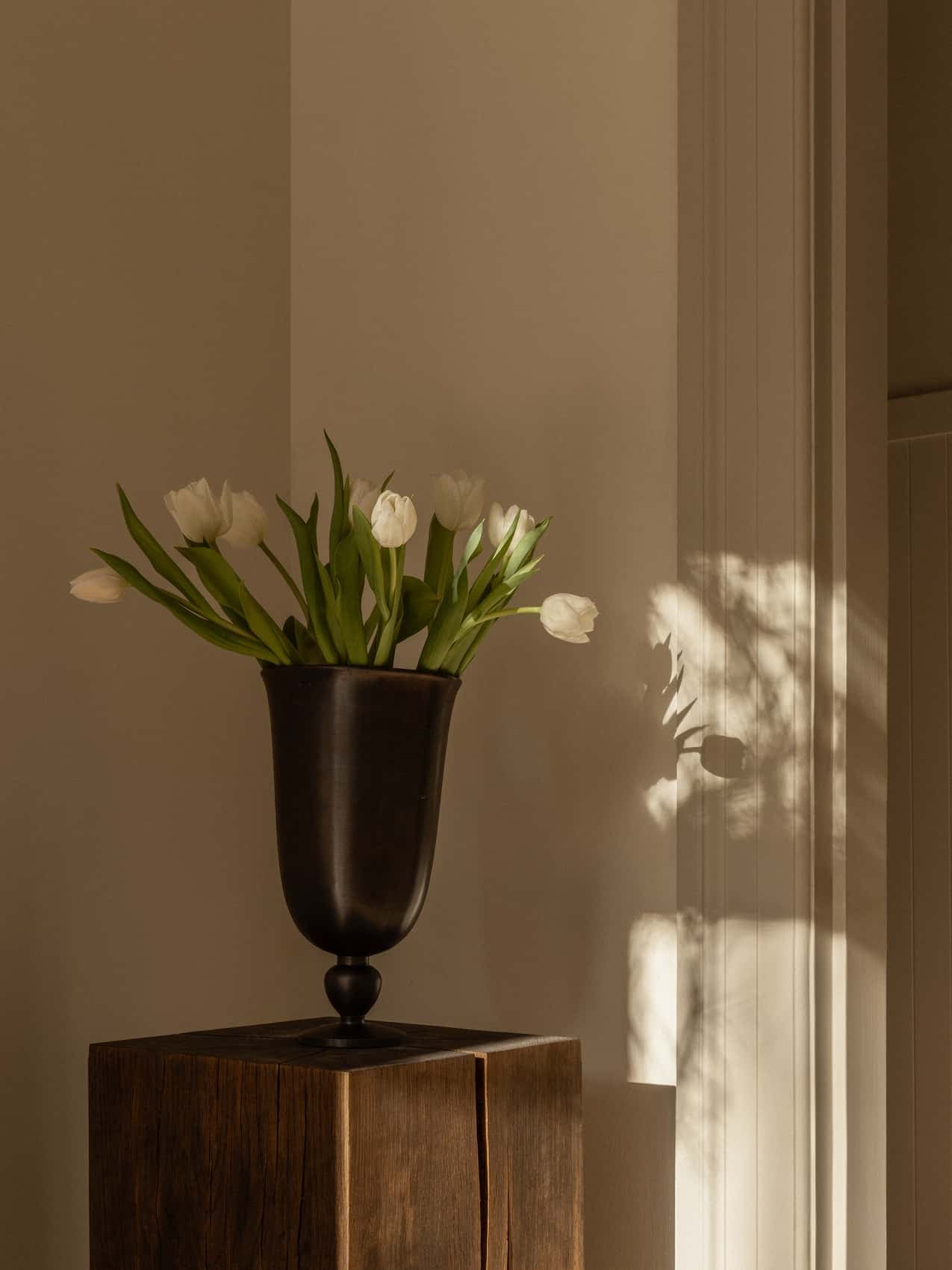
It's not without its downsides. The opening is narrower than I expected from the photos, which rules out anything with a full, wide stem — this isn't the vase for a proper bouquet. It's a one, maybe three-stem object. If you're the type who buys flowers by the armful, you'll be fighting the shape the whole time.
The glaze also shows fingerprints more than I'd like. It's matte enough to look intentional in photos and just glossy enough to hold onto every touch in person.
So who is this for?
Not someone assembling a full, symmetrical flower arrangement. This vase isn't built for volume.
It's for someone who wants one good stem to mean something. Who'd rather have an object with a visible decision in it than one that's simply correct.
Would I recommend it?
Yes, with one piece of advice: don't try to fix the lean. The first time I put a stem in, I straightened it out of habit. It looked wrong immediately. Let it fall into the dip. That's the whole point of the shape.


Share:
The Candle Holder That Taught Me About Shadow
What Size Rug Do You Need? A Room-by-Room Sizing Guide