

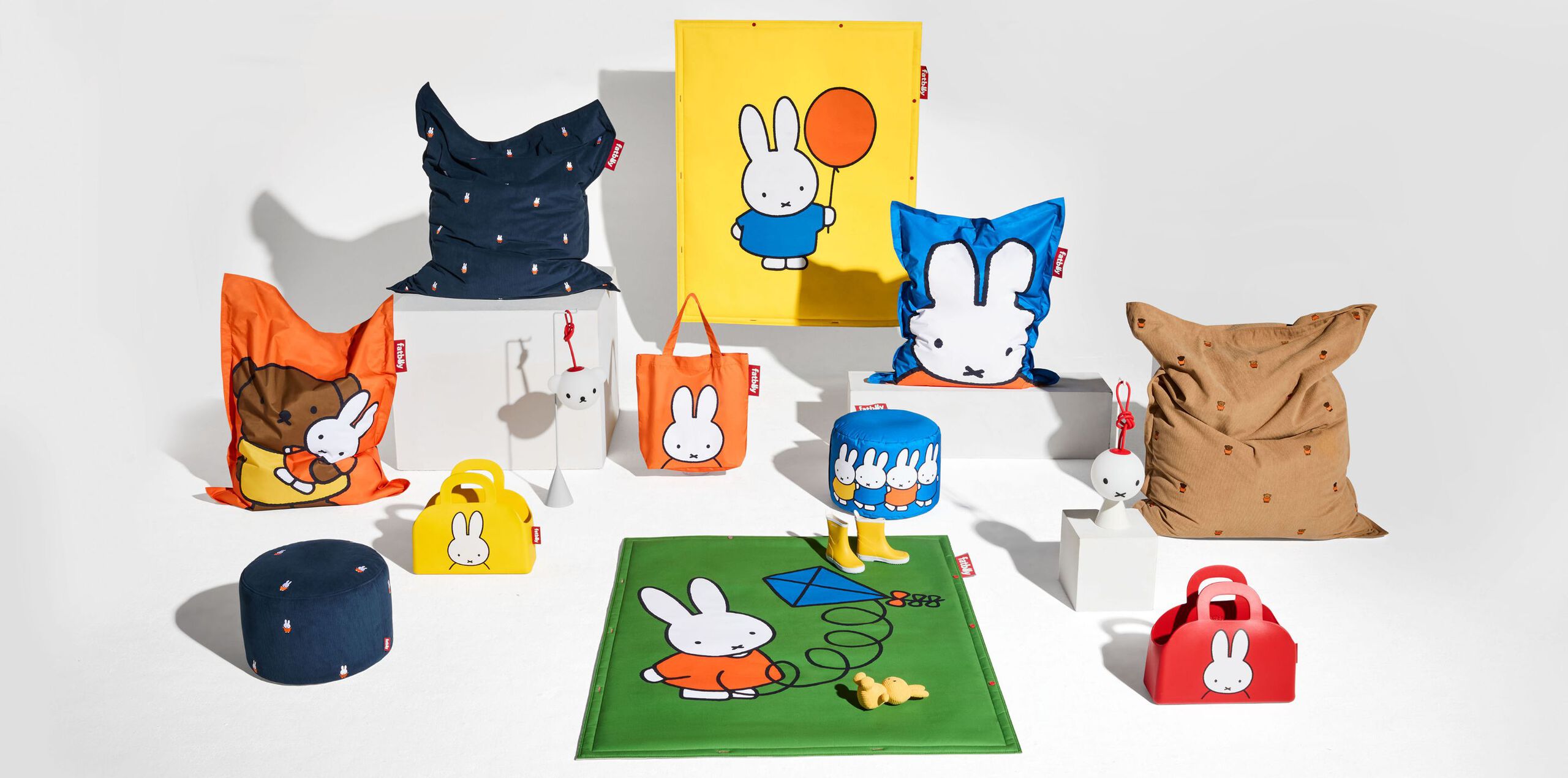
Few design brands have managed to transform something as simple as a bean bag chair into a global design icon. The Dutch brand Fatboy did exactly that. What started with the famous oversized bean bag eventually grew into a broader design universe that includes inflatable furniture, playful lighting, and modular objects that feel almost like pieces of a giant construction set.
Today, Fatboy represents a distinctive branch of Dutch design culture—one that blends humor, functionality, and bold simplicity.
From Bean Bag to Design Icon
Fatboy first gained international attention with the Fatboy Original, a modern reinterpretation of the classic bean bag chair. Unlike the soft, shapeless bean bags popular in the 1970s, Fatboy redesigned the concept to be:
-
Oversized and sculptural
-
Made from durable industrial fabrics
-
Structured enough to hold its shape
-
Comfortable in multiple seating positions
The result was a piece of furniture that blurred the line between lounge seating and design statement. It could appear equally at home in a living room, a creative studio, or an outdoor terrace.
What made the product unique was not just comfort—it was personality.

The Spirit of Dutch Design
Fatboy’s philosophy is deeply connected to the traditions of Dutch industrial design, which often emphasizes:
-
Playfulness and experimentation
-
Clear geometry and bold colors
-
Everyday objects reimagined in surprising ways
Instead of focusing on luxury materials or complicated forms, Dutch designers often explore simple ideas executed with creativity.
Fatboy embodies this spirit perfectly. Their products rarely feel overly serious. Instead, they communicate a sense of fun and accessibility, making design approachable for everyday users.
Inflatable Furniture: Design That Feels Like a Toy
In recent years, Fatboy expanded its catalog with inflatable furniture collections. These pieces immediately attract attention because they resemble objects from a playful, oversized construction set.
The idea behind inflatable design offers several advantages:
Portability
Furniture can be easily transported, stored, or moved between indoor and outdoor spaces.
Visual lightness
Inflatable forms create soft silhouettes that appear almost floating within a room.
Unexpected interaction
Users can engage with furniture in a more relaxed, playful way compared to rigid traditional pieces.
This concept transforms furniture from static objects into something closer to interactive design.

Edison the Petit: Lighting with Character
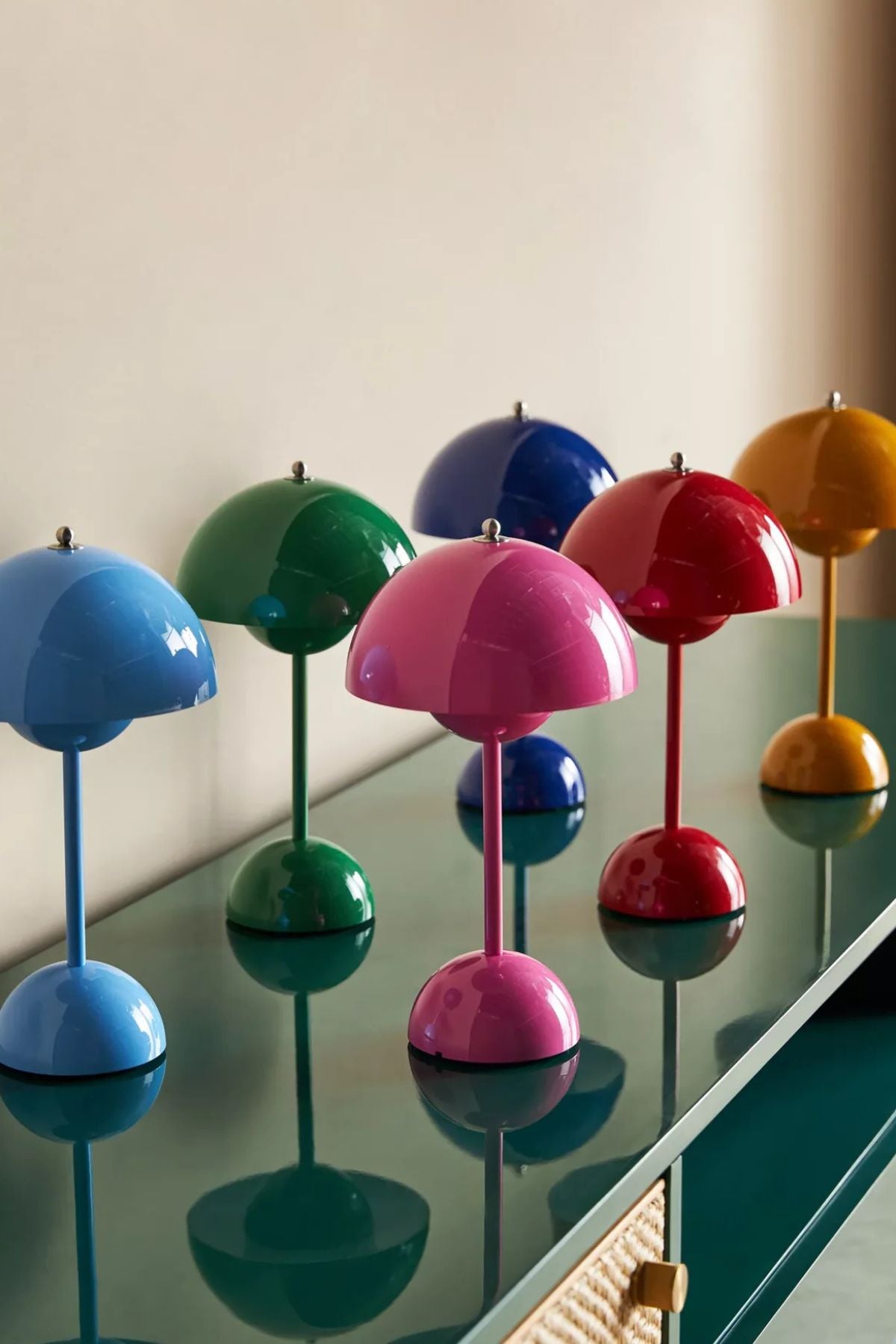
One of Fatboy’s most recognizable products is the Edison the Petit lamp.
Inspired by the classic shape of traditional lamps, the designers stripped the form down to its most essential geometry. The result is a minimal, portable lamp that feels familiar yet modern.
Key characteristics include:
-
Soft diffused LED lighting
-
Rechargeable battery operation
-
Indoor and outdoor usability
-
Minimalist silhouette
Despite its simplicity, the lamp has a distinctive personality. When placed in groups, the lamps resemble building blocks or glowing modules, almost like parts of a luminous construction kit.
This playful modular feeling aligns with the same design logic seen in LEGO systems, where simple forms combine to create larger visual compositions.
Why Fatboy Products Feel Different
Many furniture brands focus heavily on elegance, luxury, or traditional craftsmanship. Fatboy takes a different approach.
Their design philosophy revolves around three principles:
1. Simplicity
Objects are reduced to their essential shapes, avoiding unnecessary decoration.
2. Playfulness
Products encourage interaction and casual use, making design feel less formal.
3. Versatility
Most items can function both indoors and outdoors, increasing their practical value.
These principles make Fatboy products feel approachable rather than exclusive.

Design That Invites Interaction
One of the most interesting aspects of Fatboy’s work is how it encourages interaction with objects.
Traditional furniture often communicates strict usage rules—chairs must be sat on in a specific way, lamps stay fixed in one place, and sofas maintain rigid shapes.
Fatboy challenges this expectation. Their products invite users to:
-
Move them easily around a room
-
Use them in unconventional positions
-
Combine multiple pieces creatively
This transforms furniture into something closer to design tools, allowing users to shape their environment more freely.
The Role of Color and Form
Fatboy products frequently feature bold, saturated colors combined with very simple forms. This contrast makes the objects visually striking while remaining easy to understand.
The design language typically relies on:
-
Rounded shapes
-
Soft edges
-
Clear geometric proportions
-
Bright, expressive color palettes
The result is furniture that feels modern yet friendly, avoiding the cold minimalism sometimes associated with contemporary design.
Fatboy in Contemporary Interiors
Today, Fatboy products appear in a wide range of environments:
-
Modern apartments
-
Creative offices and studios
-
Outdoor lounges and terraces
-
Hotels and hospitality spaces
Their informal aesthetic works especially well in spaces designed to feel relaxed and social.
In many cases, Fatboy pieces act as accent objects, introducing personality and color into otherwise neutral interiors.
The Future of Playful Design
Fatboy demonstrates an important shift in contemporary product design. Instead of treating furniture purely as functional equipment, designers increasingly view objects as part of a lifestyle experience.
Consumers today often look for products that offer:
-
Emotional connection
-
Visual identity
-
Flexibility of use
-
A sense of fun
By blending playful aesthetics with practical functionality, Fatboy shows that design can be both useful and joyful.


Share:
Nothing Phone (2a) Special Edition: When Transparency Becomes Design
Anglepoise Lamp: Engineering as Aesthetic in Iconic Design